Same brain, not the same life: why Geospherique exists
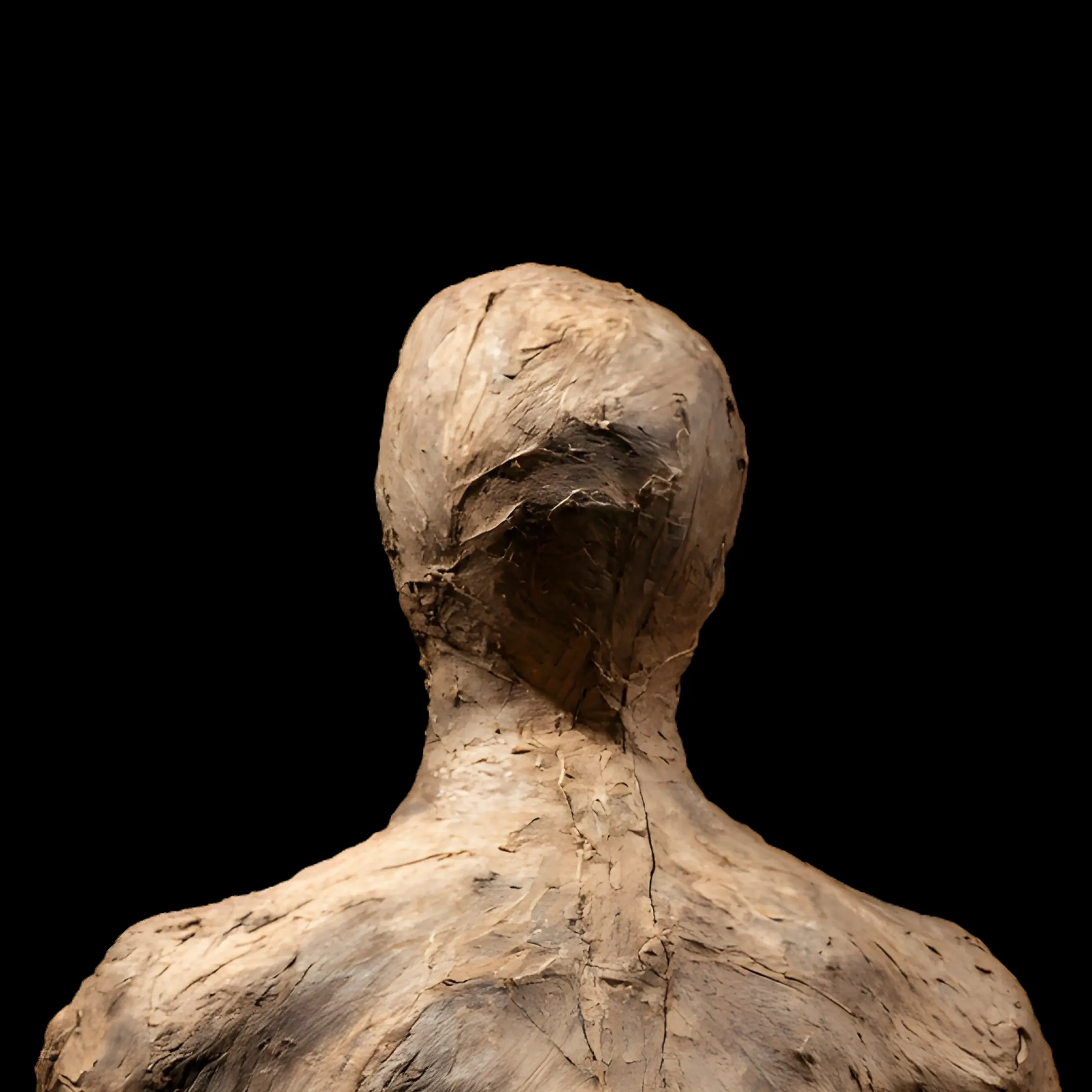
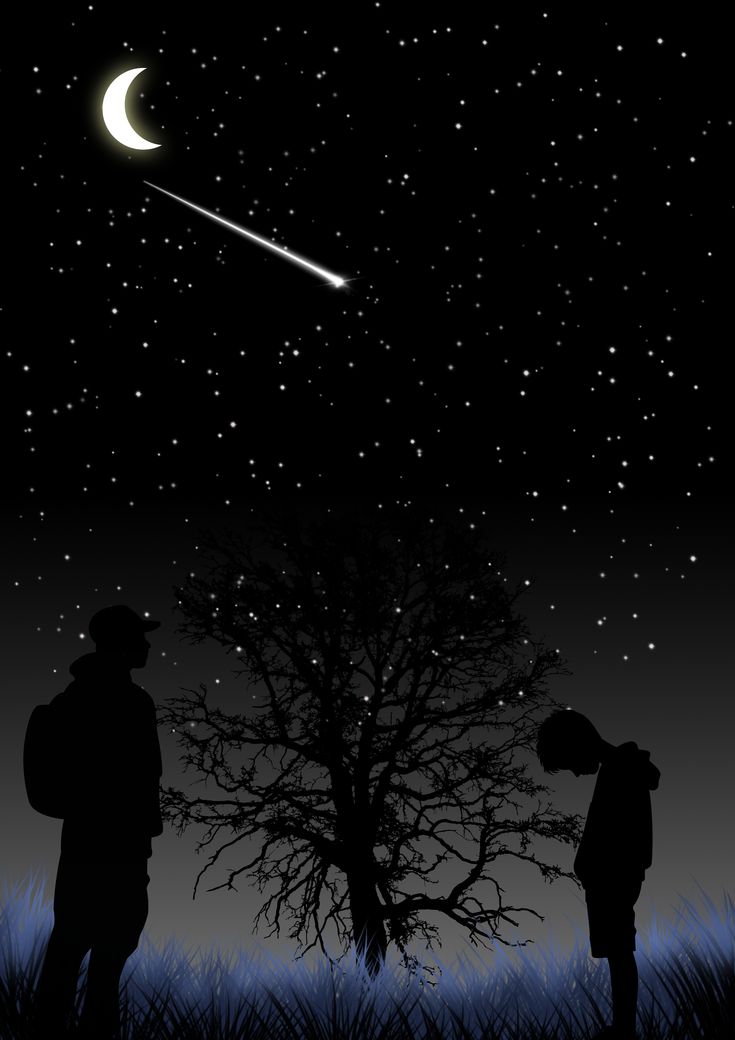
We are born with the same brain, give or take a few differences. Yet we do not live the same life. What separates us has less to do with who we are than with where we stand: our environment, what we have access to, what we have been taught to see. To understand this, we first have to take apart what seems obvious. Everything we see rests on very real resources.
The internet is made of cables
We talk about "the cloud" as if it were weightless. In reality, the internet is first a matter of matter. Most data exchanged between continents travels through cables laid on the ocean floor, optical fibres in which light carries information over thousands of kilometres. Satellites complete this network, especially where cables do not reach.
A message sent to the other side of the world therefore travels through a cable, passes through stations, servers and power plants. Nothing is immaterial. Everything is tied to resources, and those resources are unevenly spread across the surface of the Earth.
A video is a series of images
A video is a series of still images shown very quickly: often 24 images per second in cinema, 25 or 30 for video. Our brain links these images together and creates the impression of movement. The movement we see is an interpretation.
An image is made of red, green and blue dots
Get very close to a screen: the image breaks down into pixels, and each pixel into tiny red, green and blue dots. By adjusting their intensity, the screen makes every colour appear. The yellow you see on your phone is made of red and green lit together.
This is no accident. Our retina has three types of cones, sensitive mainly to short, medium and long wavelengths, which we loosely associate with blue, green and red. The brain compares their signals and infers a colour. Screens are designed to speak to that eye. Colour is a construction of our perception.
Everything is a question of perception and position
If movement is a series of images and a colour a blend of three signals, then what we call "reality" is always a reading. And that reading depends on where we look from. Two people in front of the same scene do not see the same thing: one has learned to spot a detail, the other has not. One has the words to name it, the other not yet.
It is a story of position. What we perceive depends on our place: in the world, in a family, in a language, in a network.
Our environment makes us who we are
The human brain has about 86 billion neurons. Their connections strengthen or weaken according to what we experience: this is brain plasticity. A child who hears two languages learns to tell them apart. A musician refines their ear. A craftsperson refines their hand. What we repeat, what we see around us, ends up shaping us.
So the brain is the same at the start, and life sculpts it. A very gifted person who grows up far from books, schools or networks will not have the same chances as another, with equal talent.
Access to knowledge is unequal
Even today, about a third of humanity does not use the internet, according to estimates from the International Telecommunication Union. And among those who are connected, not everyone has access to the same courses, the same mentors, the same doors. Talent is everywhere. Opportunities, much less so.
Why Geospherique exists
Geospherique starts from there: the human being is as precious as gold. If our environment makes us who we are, then changing the environment changes what becomes possible. In practice, that means:
- making everyone's skills visible, with verifiable proof through Energie;
- making it possible to build together, with the value chain and the sincere exchange, service for service, when money is short;
- passing on a path of knowledge with chains of thought;
- giving a place to art that tells a story, art that carries a vision to share and crosses the barriers of language and culture.
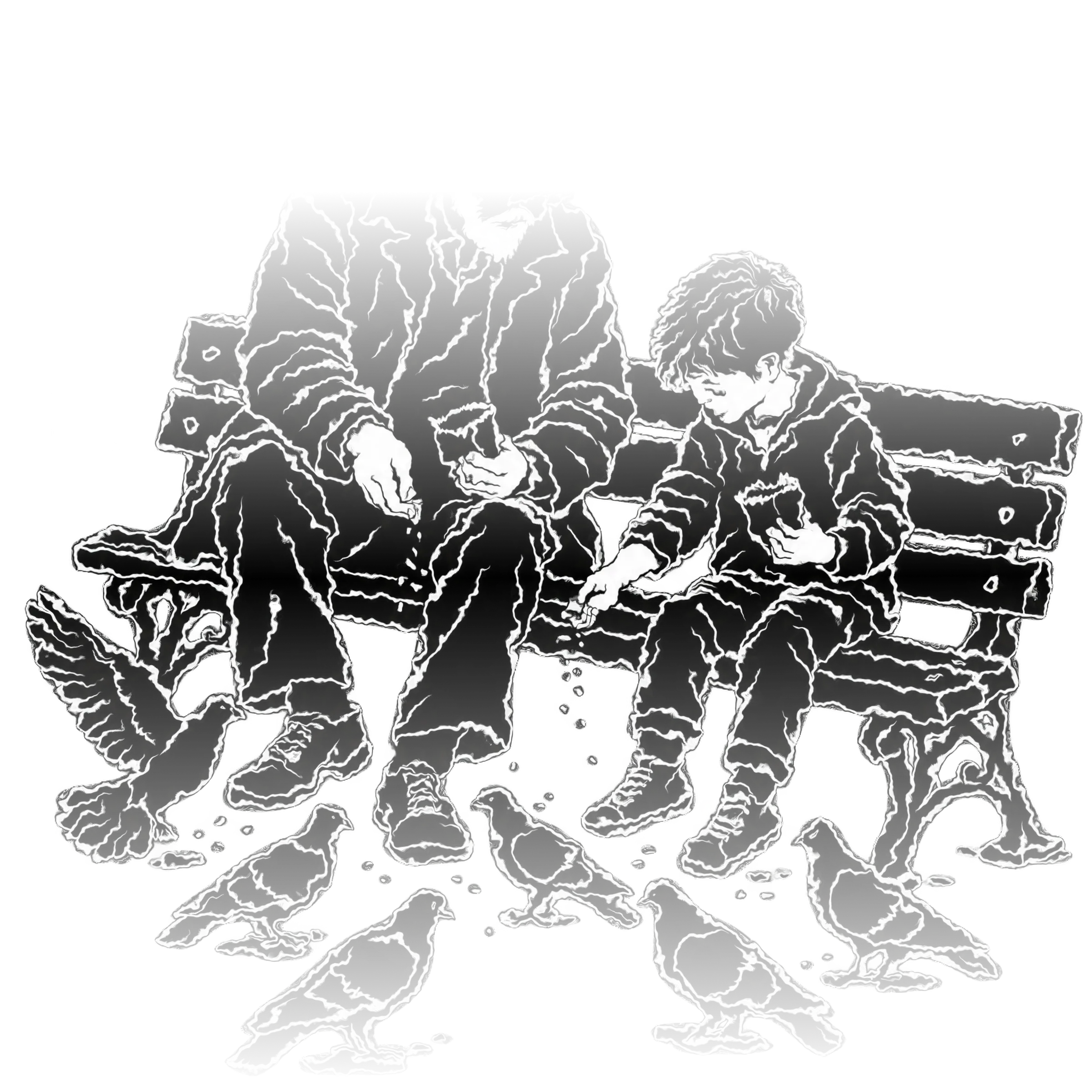
The same world, not the same life. We cannot erase the differences we start with. We can open doors, and let everyone take their place.
Take your place
If you see the world differently and have a message to tell, there is a place for you. Join Geospherique at position.geospherique.com, and also read The human being is as precious as gold.
Frequently asked questions
Does the internet really run through cables under the sea?
Yes. Most of the data exchanged between continents travels through optical fibre cables laid on the ocean floor. Satellites complete this network.
Why does a screen use only three colours?
Because our retina has three types of cones. By adjusting red, green and blue, the screen produces the signals that make us perceive every other colour.
Does the brain really change with the environment?
Yes. This is brain plasticity: connections between neurons strengthen or weaken according to what we experience and repeat.
What does "the human being is as precious as gold" mean?
That every person carries a rare value, and that their environment should not be the only thing deciding what they can do with it.
What does Geospherique actually do?
It makes skills visible and verifiable, makes it possible to build together, including by exchanging services, and helps pass on knowledge.